RV Rental for Road Trip: Plan the Mileage, Stops, and Rig
By Owen Pritchard · November 1, 2026
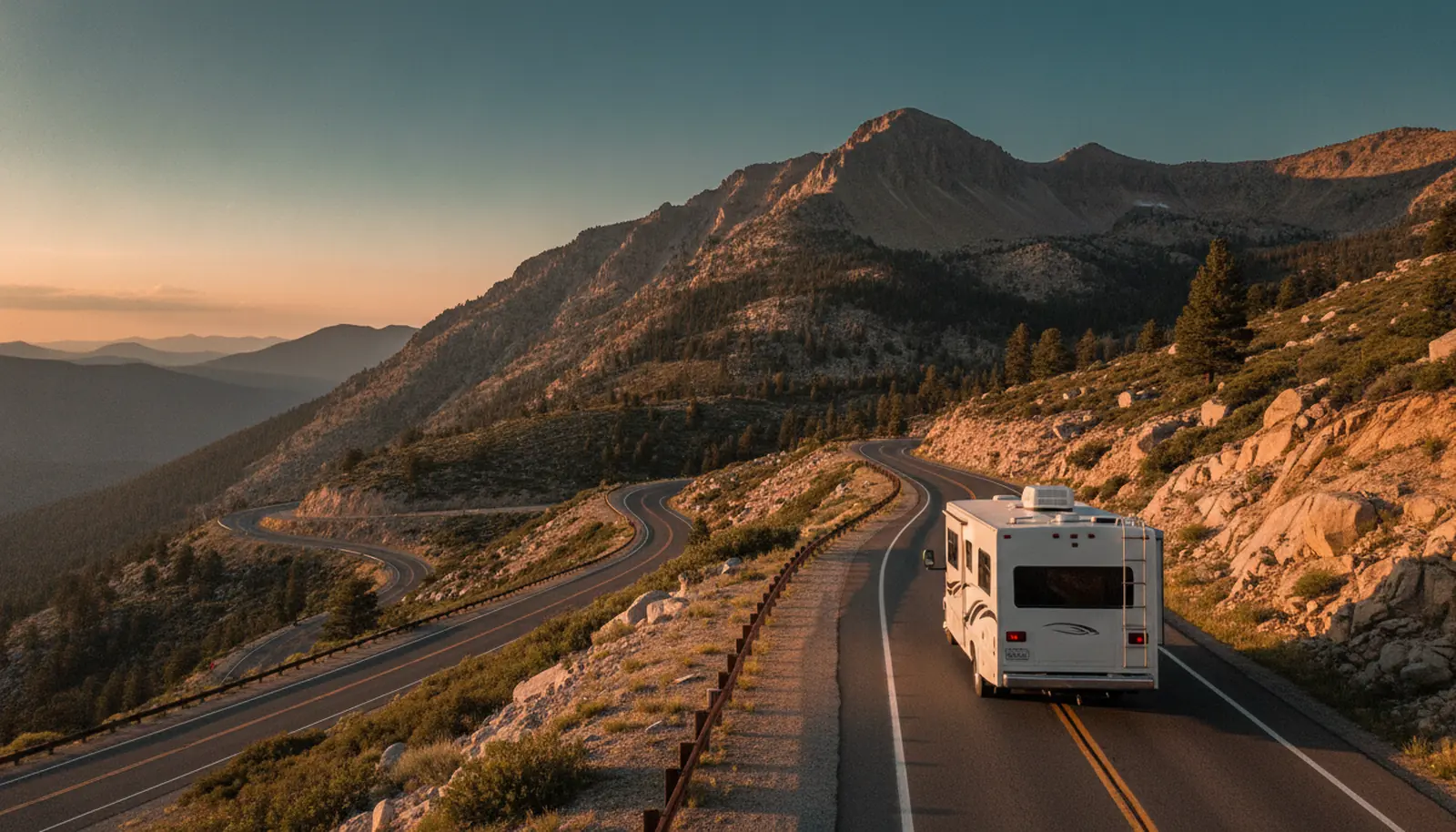
Last August, I stood in a Denver RV lot at 4 p.m., comparing motorhome rentals in Denver for our next road trip. With a clipboard, a printed spreadsheet, and a 2020 pop-up that my family had outgrown. My son was trying to put the awning out by himself, the thermometer read 97, and I’d planned exactly 11 stops in 10 days. That trip taught me that the cheapest RV rental for road trip isn’t the one with the lowest nightly rate; it’s the one where the plan fits the miles, the kids, and the dump station. I’ve since rented ten different rigs in ten summers before buying our pop-up, and I still plan every trip on a spreadsheet. That experience is what this guide is built on. If you’re searching for an RV rental for road trip, start by comparing motorhome rental companies in Denver before you fall in love with a particular floorplan.
Pick the pickup city and decide if a one-way RV rental for road trip makes sense
Denver is my home base, so I start by pulling up rates from the big national fleets and a few local peer-to-peer listings. I compare Class C motorhomes, camper vans, and Class A coaches side by side, then I check one-way fees for routes like Denver to Phoenix or Denver to Salt Lake City. One-way fees at some companies run about $200 to $750, though some fleets run relocation deals for $1 a day when they need rigs moved. Those deals usually come with a fixed route, a short travel window, and a capped mileage allowance. If you’re flying into Denver and driving west, a one-way RV rental in Denver can save you a backhaul day. For loop trips, I skip the one-way fee entirely.
I’ve done both. If your route is a loop, skip the one-way fee entirely.
Pull up motorhome rentals in Denver and RV rental in Denver as a starting comparison, then search the same dates as a national motorhome rental search and a camper van rental in Denver to see what smaller rigs cost. For family trips with kids, a Class C RV rental in Denver usualy has the cab-over bunk we need. If the route only goes one direction, read our one way RV rental post for the fee math before you book. Once the pickup city is locked, the next mistake is trying to cover to much of the map.
Set a realistic miles-per-day pace and a drive-day/rest-day rhythm
My biggest planning mistake was an 11-stop, 10-day loop thru Utah.
Fuel economy for gas Class C rigs is usually in the single digits to low teens on the highway, so plan fuel stops every 150 miles or so. A rental’s build sheet and owner reviews will give you a range for that specific rig.
My rhythm is two drive days, one rest day. Rest days are when we empty the gray and black tanks, do laundry, and let the kids ride bikes around the campground. The rest day also gives us slack if a mountain pass takes longer than the map says. If you’re towing a rental trailer, knock a third off your usual driving pace; the trailer dictates your lane changes, your fuel stops, and your patience. But the pace only works if the rig actualy fits the roads you’ve drawn on that map.
Choose the RV class that fits your group size and the roads you’ll drive
Rental RVs break into five or six classes: Class A motorhomes, Class B camper vans, Class C motorhomes, travel trailers, toy haulers, and pop-ups.
A Class C rental typically sleeps 5 to 7, which fits our family of four plus one guest. Glacier National Park’s Going-to-the-Sun Road, for example, bans vehicles or combinations over 21 feet long or 8 feet wide between Avalanche Creek and Rising Sun. Many park roads post length limits, so check each park’s vehicle size page before you reserve.
If you’re tempted by a small camper van or a compact trailer, read our small RV rental post. Vans get better fuel economy and fit in regular campsites, but a family of four will feel every rainy afternoon. And the right rig is worthless if you can’t get a campsite to put it in, so book campsites early.
Book campsites in order of scarcity, not in order of the route
Most federal campgrounds on recreation.gov open reservations on a six-month rolling window.
A dry site gives you nothing, and your battery and tanks become the limiting factor. Dry camping in a rental RV is doable, but you’ll need a dump station every two to three days and a plan for generator hours. If the rental company charges for generator time, budget $3 to $5 an hour. I try to book at least one full-hookup site every third night.
Campsite reservations are the one piece of the plan I wont leave flexible. The RV itself can be swapped at the rental counter; a sold-out campground can’t. That’s where the money side starts to pile up.
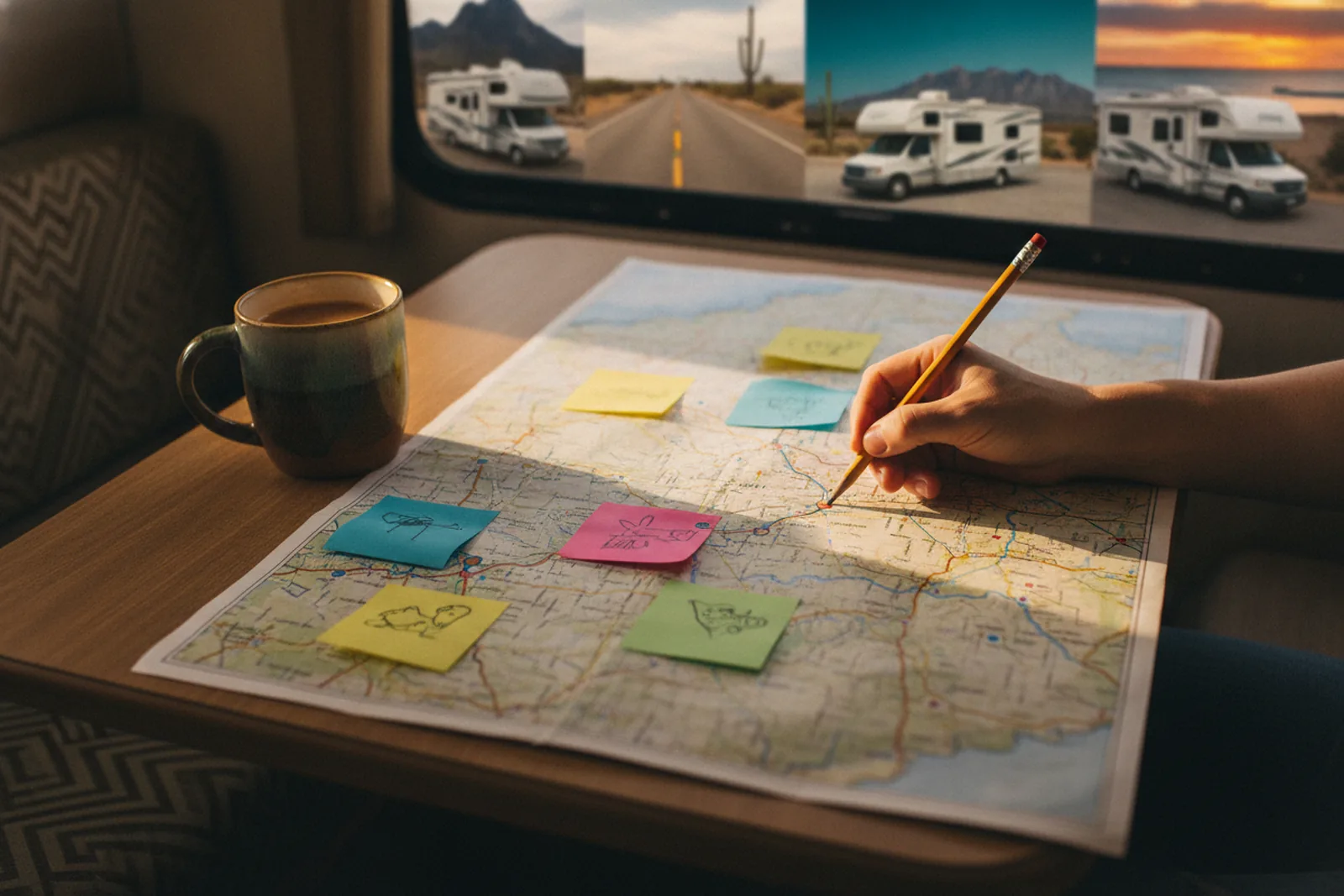
Budget fuel, mileage, generator, and campsites before you pay the deposit
The nightly rate is not the trip cost. Generator use beyond included hours often meters at $3 to $5 an hour.
One big national fleet’s website gives these example base prices for a standard Class C: a weekend with 300 miles runs about $550 to $700; a week with 800 miles runs about $1,400 to $1,900; a month with 2,500 miles runs about $5,500 to $7,000. Those examples dont include fuel, campsites, or protection plans. I’d add a healthy cushion to any quoted base price for fees and add-ons, then round up.
Watch for one-way fees, cleaning fees, dump fees if tanks are returned full, kitchen and linen kits, pet fees, and protection plans. Get a written quote that lists every line before you pay a deposit. Pay the deposit, and you’ve just bought yourself a deadline for figuring out the tanks, so plan dump stops now.
If you want to see what a real RV rental road trip looks like, this video from RVLove takes you through their Florida trip and the lessons they learned.
Plan dump and water stops before you need them
A rental RV’s gray and black tanks are the least romantic part of the trip and the most likely to ruin a morning.
Before leaving the rental lot, I ask where the nearest dump station is on our first leg. Then I map one every 150 miles or every two nights, whichever comes first. The rental company will charge a dump fee, often around $75, if you return with full tanks.
Fresh water is easier. Label them. Dump stops solved, the next line on the spreadsheet is fuel for the humans.
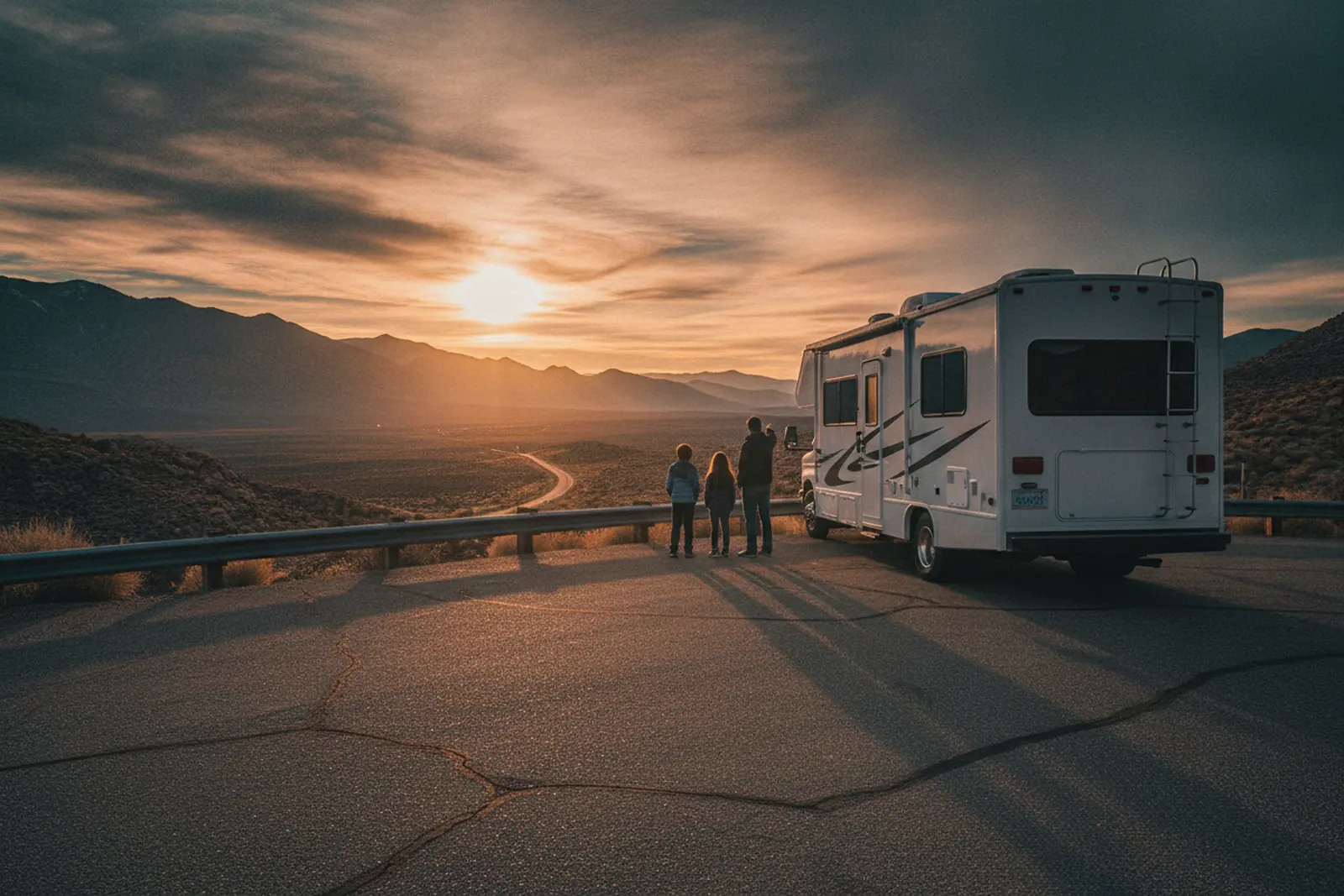
Plan grocery and propane stops around small towns, not big cities
A 25-foot Class C motorhome is a liability in a busy city grocery store parking lot.
Propane refills vary by region, so I check a propane price app before the trip and mark two stations on the route. The rental company expects you to return the propane level filled to the same level you left with, or they’ll charge a per-gallon fee.
Grocery stops and propane stops go in the spreadsheet next to the dump stops. All of which is a lot to remember, so I made a list.
Build a printable trip checklist and post it on the fridge
I keep a one-page checklist that gets printed and taped to the inside of the trailer cabinet. Here’s the list:
Before booking
Two weaks out
Pickup day 11. Do the full walkaround with the staff. Test slides, awning, generator, water heater, furnace, fridge, toilet, and all tanks. 12. Photo and video every side, the tires, the interior, the odometer, the fuel gauge, and the generator hour meter.
- Confirm what counts as “clean” at return and whether there’s a dump fee.
Every drive day 15. Check tire pressure, oil, and fuel before leaving. 16. Close and lock all exterior compartments and roof vents.
Return day 18. Empty gray and black tanks at a dump station, not the rental lot. 19. Refill propane to the pickup level. 20. Run a broom through and wipe counters. 21. Return on time. Late fees vary and can be steep.
Safety warnings
What I’d do differently next year
Next summer, I’m going to plan the opposite of my 11-stop mistake.
This weekend, pull up two or three RV rental companies near your pickup city and ask them for a written quote on the exact same dates, the same class, and the same mileage estimate.
That quote is also the best test of an RV rental for road trip.
Related reading
FAQ
How far in advance should I book an RV rental for a summer road trip?
Book several months ahead for July and August; some sources advise six months or more. Popular Class C motorhomes and camper vans sell out in Denver and other gateway cities. Campsites at national parks often open six months out and fill immediately. If you're flexible on dates, last-minuite deals exist, but you'll pick from the rigs nobody else wanted.
Do I need a special license to drive a rental RV?
In most US states a regular car license covers rental motorhomes and trailers, but a few states require a special license for very long or heavy rigs, so check your state's DMV befor booking. A few states require a noncommercial Class B or a special endorsement for very long or heavy housecars, for example California for a housecar over 40 feet, so check your state's rules. Check your state's DMV before booking.
How much does an RV rental really cost per night after fees?
A Class C motorhome averages about $214 a night in a 2025 price index, but fees for mileage, generator hours, kitchen kits, cleaning, and protection plans can add a lot. For a week in a standard Class C, I budget based on the written quote plus a cushion for fuel and campsites. Get a written line-item quote.
Can I take a rental RV into national parks with length limits?
Yes, but check each park's vehicle size page. Glacier National Park's Going-to-the-Sun Road bans vehicles over 21 feet long or 8 feet wide on it's upper sections. Many other parks restrict RVs on scenic drives. A 24-foot Class C fits most roads; a 32-foot Class A may not. Don't rely on GPS; read the park's official limits.
Does my car insurance cover a rental RV?
Usually not. Most personal auto policies exclude rented motorhomes and rental trailers, and credit card rental coverage typically excludes RVs and campers, but check your own policy and card benefits. You'll usually buy a protection plan from the rental company or peer-to-peer platform. Read the damage waiver's deductible and exclusions carefully. Call your own insurer, but don't assume coverage.
Is a one-way RV rental worth the extra fee?
It depends on the route. One-way fees run about $200 to $750. If the fee saves you a full day of driving back and an extra night's campsite, it can pencil out. Relocation deals sometimes offer $1 a day for a fixed route and short window. For loops, skip the fee. Calculate the fuel and time back before deciding.
Find RV rentals near you
Compare RV rental companies in your city, then ask a few for a quote on your dates.
Browse by stateOr jump to: Denver, CO · Los Angeles, CA · Portland, OR