Class C RV Rental: Why It's the Default First Rental and What to Check
By Owen Pritchard · October 21, 2026
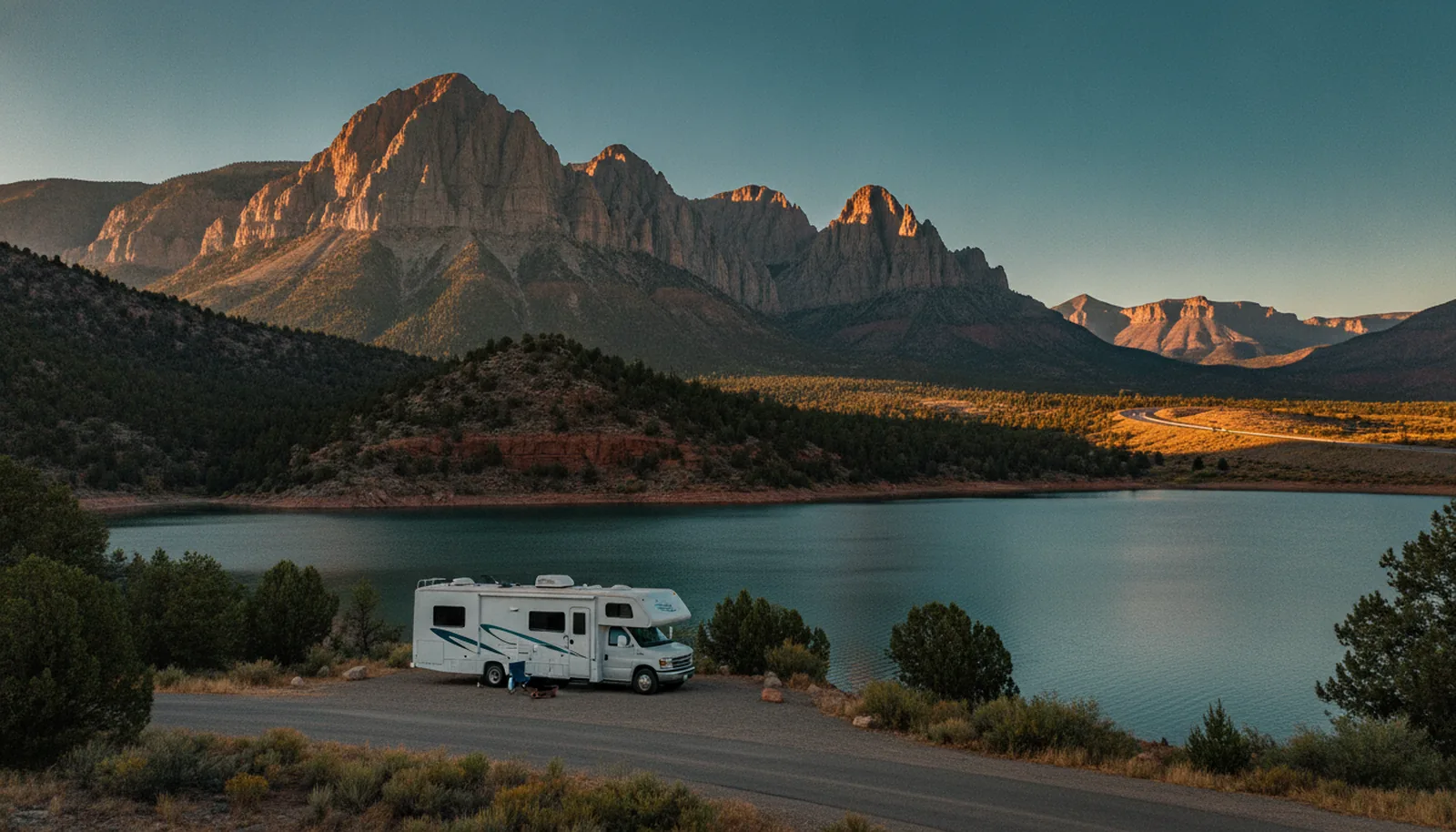
What is a Class C RV rental?
The first summer we rented a Class C, I pulled out of the driveway in Denver and forgot the cab-over bunk was 11 feet 2 inches tall. Remembered at the bank drive-through on South Broadway. The overhang cleared the awning by maybe four inches and my wife still brings it up every time I reach for a drive-through. That rig was a 24-foot model that claimed it slept six. It slept two adults, two kids, and a pile of suitcases nobody wanted to move at night.
A Class C is a motorhome built on a van or truck chassis with a cab-over bunk above the driver’s seat. The front cab looks like a delivery van, the living area sits behind it, and that bubble over the windshield adds a bed or a storage shelf. Most rental Class Cs run 22 to 32 feet long, sleep four to eight on paper, and stand about 10 to 12 feet tall depending on the roof air conditioner.
The cab-over bunk is the giveaway. Kids love it.
For most renters, a Class C hits a sweet spot between a camper van and a full Class A bus. It has a bathroom, a kitchen, and enogh floor space for a family to stand up at the same time, but it still fits in a standard campground pull-through and doesn’t need a special license in most states. Since then I’ve learned the Class C is the default choice at the big rental depots, and for good reason.
Why rental lots are full of Class Cs
The big national fleets buy Class C rigs by the hundreds because they’re the easiest motorhome to put a first-time renter in and get it back in one piece.
From a business view, a Class C costs less to buy and insure than a Class A, sleeps more than a Class B, and shrugs off renter abuse. The rental depots also train there staff on one or two floor plans, which speeds up the walkthrough and cuts the phone calls. When you pull into a rental lot and see twenty identical cab-over rigs in a row, that’s not a coincidence.
The tradeoff is standardization. You won’t get the huge slide-out living room or the 50-amp power of a Class A, but you also won’t get the 40-foot lenght, the 12-foot height, or the fuel bill.
I found this beginner RV rental guide helpful when I was starting out.
What to check in a Class C rental listing
Forget the floor plan photo. Start with the seat belt count, because nothing else on the listing matters if you can’t legally carry your people.
- Length: 22 to 26 feet is nimble. 28 to 32 feet rides smoother but will not fit in some national park pullouts, and anything over 25 feet is a pain at the grocery store.
- Sleeping layout: Separate the permanent beds (rear corner, cab-over) from the converted sofas and dinettes.
- Seat belts:
- Slide-out or not: More importantly, a slide means you cannot use the kitchen or the walkway while it’s in, and you must put it out to access certain cabinets.
- Generator and tank sizes: Rental companies meter generator hours, usually $3 to $5 an hour after an included allowance. Fresh water capacity of 30 to 40 gallons is common; gray and black tanks may be 25 to 30 gallons each. For two adults and two kids dry camping, that’s about two days befor you need a dump station.
- Height and weight: Measure it against every low bridge on your route. GVWR on a rental Class C is often around 11,000 to 14,500 pounds, which is fine for a regular license nearly everywhere.
Here’s a quick table comparing typical ranges for a gas Class C rental across three lengths:
| Length | Sleeping capacity | Typical height | Seat belts (typical) | Fuel economy (highway) |
|---|---|---|---|---|
| 22-24 ft | 4-5 | 10’6”-11’0” | 4-5 | 8-11 mpg |
| 25-28 ft | 6-7 | 10’8”-11’4” | 5-6 | 7-10 mpg |
| 29-32 ft | 7-8 | 11’0”-12’0” | 6-8 | 6-9 mpg |
Those numbers are ballpark, but they match most US rental fleets. The last column is the one that makes you wince at the pump.

Fuel economy reality: single digits and a lot of stops
I budget driving days at 8 miles per gallon in a Class C and I’m rarely far off.
Compare that to a Class B camper van that can hit 15 to 18 mpg, and the math changes quickly. If the Class C nightly rate is $200 and the camper van is $220, the Class C is cheaper untill you drive more than 250 miles a day. Renting a motorhome from a peer-to-peer listing works the same way: ask the owner what mpg they get, not what the manufacturer window sticker said.
The other pain is gas stations. A 28-foot Class C with a rear overhang needs a pull-through pump or you’re backing out against a line of hungry drivers. I plan fuel stops for mornings, use truck stops with RV lanes, and never let the tank drop below a quarter. I still check motorhome rentals in Salt Lake City every few months. The drive-through restaurant rule is simple: if the cab-over is taller than the menu board, park and walk inside.
Class C rental price: what you’ll really pay
National rental price indexes show Class C rigs averaging about $214 a night, lower than Class A at $313 and a bit above Class B vans at $228.
The real total starts with the nightly rate plus the protection plan (often $15 to $35 a day), plus kitchen and bedding kits (about $100 total at some fleets), plus mileage over the allowance ($0.35 to $0.50 a mile), plus generator hours, plus the $35 dump fee on the return sheet if you skip it. I ask for an itemized quote before I book, and I compare the same week across two places: a fleet depot near the airport and a private owner ten miles out.
If you’re looking at Class C prices against motorhome rentals nationwide, don’t just compare nightly rates. The cheap listing can be the expensive trip.
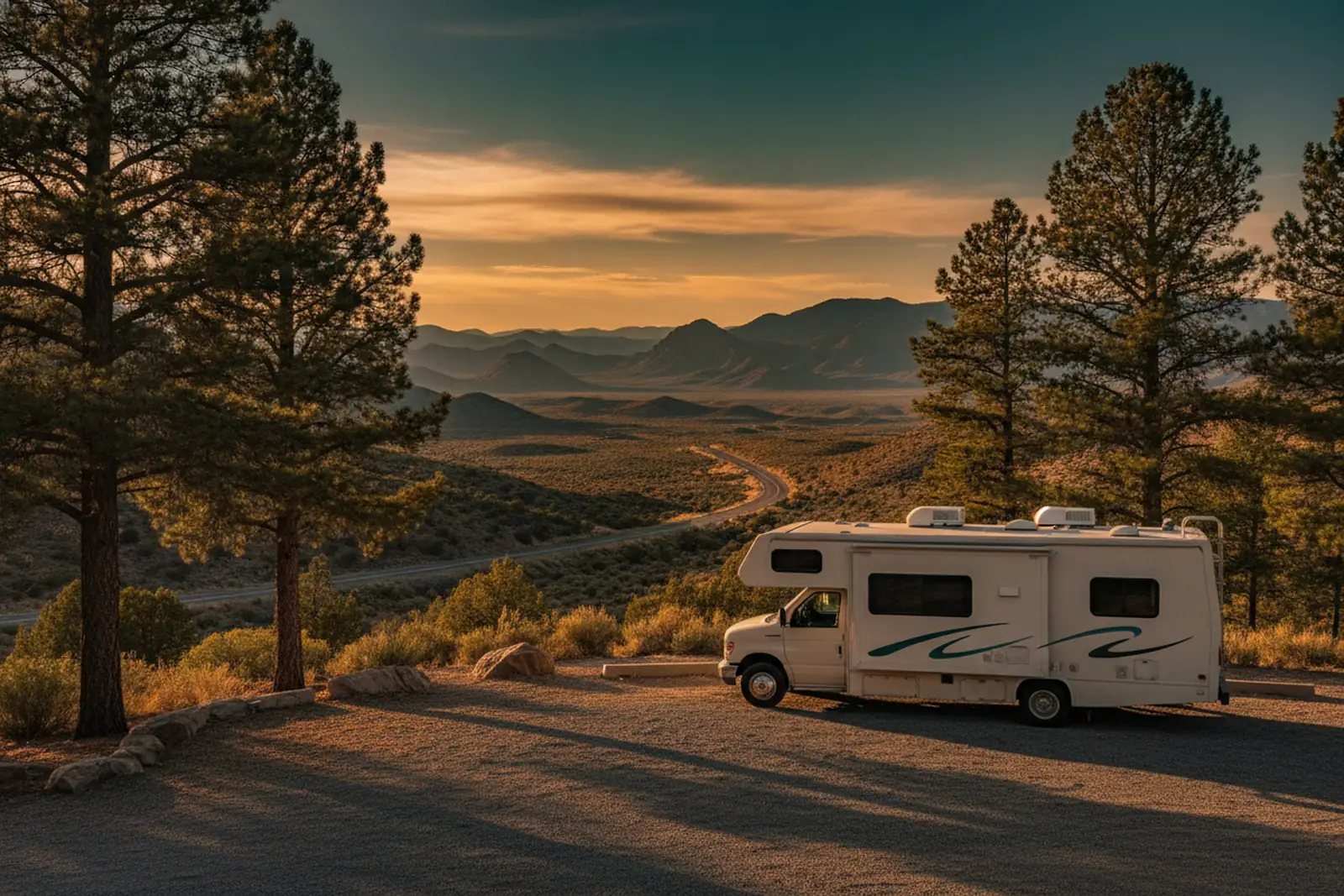
Where Class Cs get hurt: height, tail swing, and steep driveways
The cab-over is a low-clearance magnet.
Tail swing is the second gotcha. A tight gas pump island or a campsite with a rock on the inside of the turn will catch the rear corner. The fix is to pull forward more than you think you need before cutting the wheel. I’ve watched a renter take a campground lantern post out with a 29-foot Class C; the post won.
Steep driveways and that rear overhang don’t mix. The rear bumper and the sewer hose storage tube sit low and far behind the wheels. Entering a raised driveway at an angle helps, and so does a friend with eyes on the bumper. Departure angle on a long Class C is offen 8 to 12 degrees, which is nothing. If the driveway looks like a ski jump, park on the street.
The seat belt test I wish I’d done sooner
Here’s the $100 mistake I made on that first rental: I booked a “sleeps 6” Class C for four adults and two kids, then found four seat belts at pickup.
Do this before you book your next Class C: pull up two motorhome rental companies near you. I’d rather sleep four people safely in a 24-foot Class C than six people unsafely in a 29-footer, and I’d rather pay the fuel bill than the body shop bill.
If you’re still deciding between rig types, our post on RV trailer rental: towing it yourself vs having it delivered digs into towing versus driving, and the Class B RV rental post is a reality check for anyone romanticizing van life. But if you’re a first-timer with kids or a couple of friends, a Class C is the right default. Just know the height and count the belts.
Related reading
FAQ
Do I need a special license to drive a Class C RV rental?
In most US states, a regular driver's license covers a Class C motorhome rental because the gross vehicle weight rating is usually under 26,000 pounds. A handful of states have special non-commercial license rules for heavier rigs, so check your state DMV before booking. Federal CDL rules dont apply to personal, non-business RV use.
How many people can sleep in a Class C RV?
Typical rental Class C floor plans sleep four to eight, but real comfort is lower. A 24-foot model often has a cab-over double and a convertible dinette or sofa, which means two real beds and two or three padded platforms. Ask for the mattress layout and measure it against your group before trusting the "sleeps 6" label.
How tall is a Class C RV rental?
Most rental Class C motorhomes are 10 feet 6 inches to 11 feet 6 inches tall with the roof air conditioner, tho larger 30-foot-plus models can reach 12 feet. The exact height is on the driver's door jamb sticker. Write it on tape on the dash and check every low overhang, gas station canopy, and tunnel before driving under it.
What is the average cost to rent a Class C RV?
National price indexes show Class C rentals averaging about $214 a night, with big fleet ranges from $150 to $300 a night depending on season and location. That's before protection plans,mileage, generator hours, kits, cleaning, and fuel. A one-week trip often lands 30 to 40 percent above the headline nightly rate.
How many seat belts does a Class C RV have?
It varies widely. A 24-foot Class C may have four belted seats: two shoulder belts in the cab and two lap belts at the dinette. Larger 30-foot models can have six to eight. Count forward-facing seat belts in the listing photos or ask the owner, and never carry more passengers than belts, no matter how many beds the brochure shows.
What fuel economy does a Class C RV get?
Plan on 8 to 11 mpg on the highway for a gas Class C rental, lower in mountains or with a headwind and a slide-out. A 1,000-mile trip at 8 mpg uses 125 gallons. At $4.50 a gallon that's about $560 of fuel. Compare that to a camper van's 15 to 18 mpg before choosing a Class C.
Can I drive a Class C RV through a drive-through?
Most drive-throughs are too low for a Class C cab-over bunk. The clearance often runs 9 to 11 feet under the menu board, and a Class C needs 11 to 12 feet. If the height isn't posted, don't try it. Park and walk inside. Roof damage from scraping an overhang is almost always the renter's responsibility under the rental agreement.
Find RV rentals near you
Compare RV rental companies in your city, then ask a few for a quote on your dates.
Browse by stateOr jump to: Class C RV rental · Denver, CO · Los Angeles, CA · Portland, OR