11 ways to find a cheap RV rental without getting a junker
By Owen Pritchard · October 29, 2026
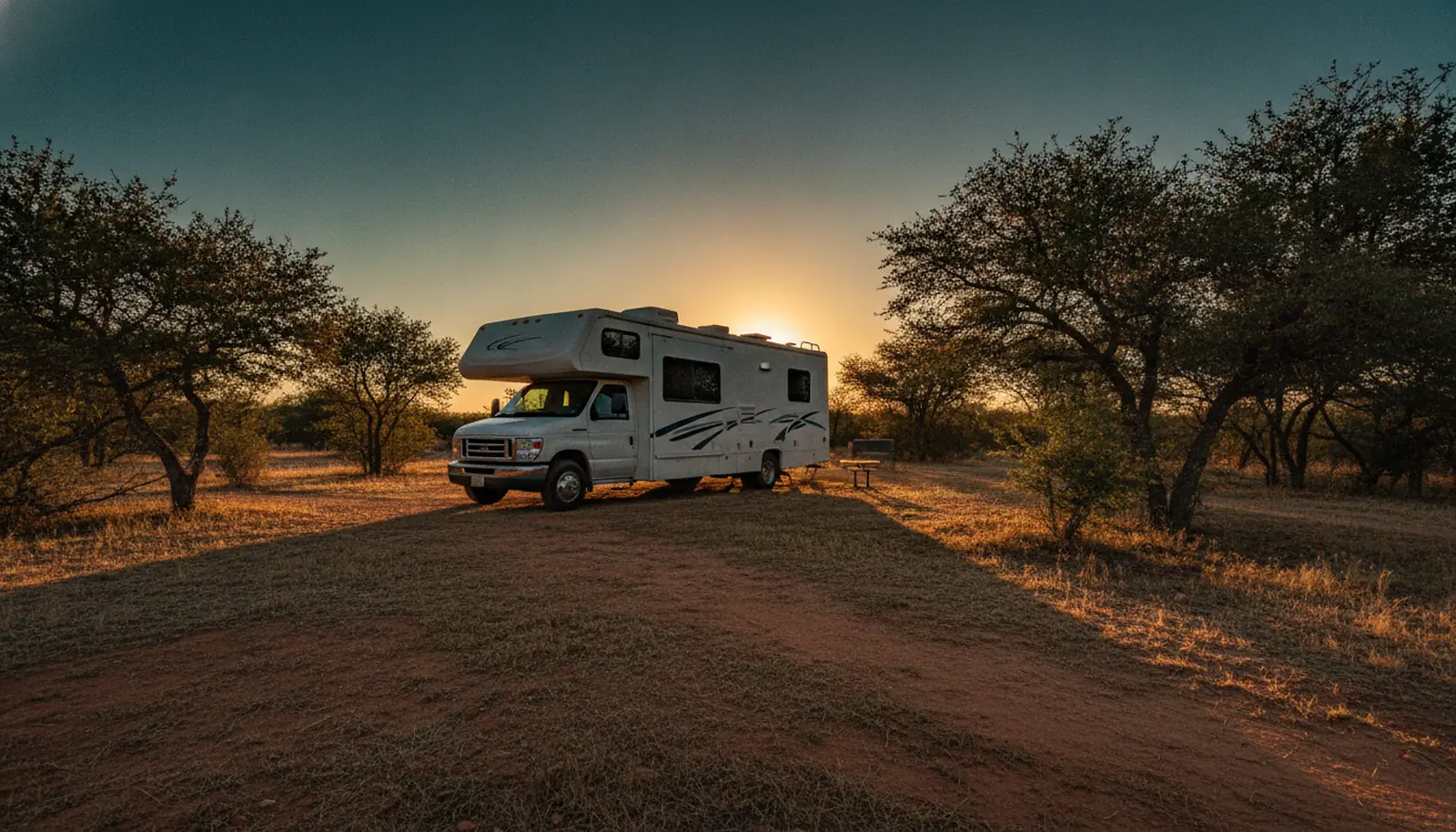
The July we rented a 2009 Class C from a guy near the airport, the one I found through RV rental companies in Austin, I was chasing a cheap RV rental. My daughter sat in the cab-over bunk counting duct tape strips. Fourteen. The owner smiled when he handed me the laminated walk-around sheet. “She’s got character,” he said. That rig was $79 a night, which sits at the low end for camper van rentals in Austin. But after the kitchen kit, the extra driver fee, the generator hours we never used, and a security deposit hold that took nine business days to fall off my card, I was in for $141 a night. That’s not unusual for Class C RV rentals in Austin. I made that mistake once, and it taught me to line up motorhome rentals in Austin side by side before I book anything.
Since then I’ve figured out how to get a cheap RV without ending up with a junker. The trick isn’t grabbing the lowest nightly rate on a listing site, tho sometimes RV rental delivery in Austin can close the gap. You have to know which costs hide, which rigs age well, and when to book. I called around this week to check current prices, and the spread between a bare quote and a loaded one for the same city was $260. Here’s my method, line by line. Start by pulling up RV rental companies in Austin or wherever you live and ask for written quotes with every fee on the page.
1. Book the shoulder season, not July
Booking in April or late September instead of July can drop the same rig 10 to 20 percent, and winter can knock 25 percent off at some fleets. A standard Class C in July can run $180 to $250 a night at a big national fleet. I book nearly every trip for mid-September through early October now. The kids’ school calendar allows it, and the campgrounds are half empty.
The catch? Cold mornings at altitude. Some park roads closing early. You can compare shoulder-season quotes from RV rental companies across Texas or wherever you live.
2. Pick up on a Tuesday or Wednesday
The same coach can list for less on a Tuesday pickup than a Friday one, because weekend demand wipes out the cheap days. A fleet that lists $190 a night for Friday to Sunday may show that same rig for less midweek. Private owners do the same, because they’d rather rent three weeknights than watch the rig sit in the driveway.
My rule: start on a Tuesday, return the following Tuesday. Seven nights, one weekend peak skipped.
3. Use the weekly rate instead of stacking nights
Night seven is basically free. The big fleets advertise a nightly rate, then quote a weekly rate that’s often lower per night when you stay seven nights or more. A Class C at $200 a night might come to $1,200 for six nights, but a weekly rate could make the seventh night nearly free.
Private owners do this less, but I ask anyway: “Is there a weekly discount if I take it Monday to Monday?” Half the time the owner drops $40 to $60.
4. Rent a smaller rig than you think you need
A travel trailer rents around $113 a night on average, a pop-up around $90, and a Class A about $313, according to one price index. That’s a $200-a-night gap for the same campsite, and the smaller rig sips fuel and fits more campgrounds.
A family of four does not need a 32-foot Class A with a secound bathroom. They need two dinette beds and a spot for the cooler.
I found this video helpful when I was learning the ropes, it covers some rental tips I wish I’d known sooner.
5. Get a delivered trailer instead of a drivable
Even with delivery, the total can beat a Class C. Motorhomes cost more per night and drink more fuel. Travel trailers and fifth wheels rent cheaper, and plenty of owners will deliver and set them up at your campground. Delivery fees can run $1.50 to $4.50 a mile with a minimum, often $150 to $300 each way for a 50-mile trip.
This is how I rent when we park for a week at a state park. The owner tows it in, levels it, hooks up the sewer, and shows my wife how to light the water heater. Look at RV rental delivery in Austin or your area for local options.
6. Take a relocation deal and drive someone else’s route
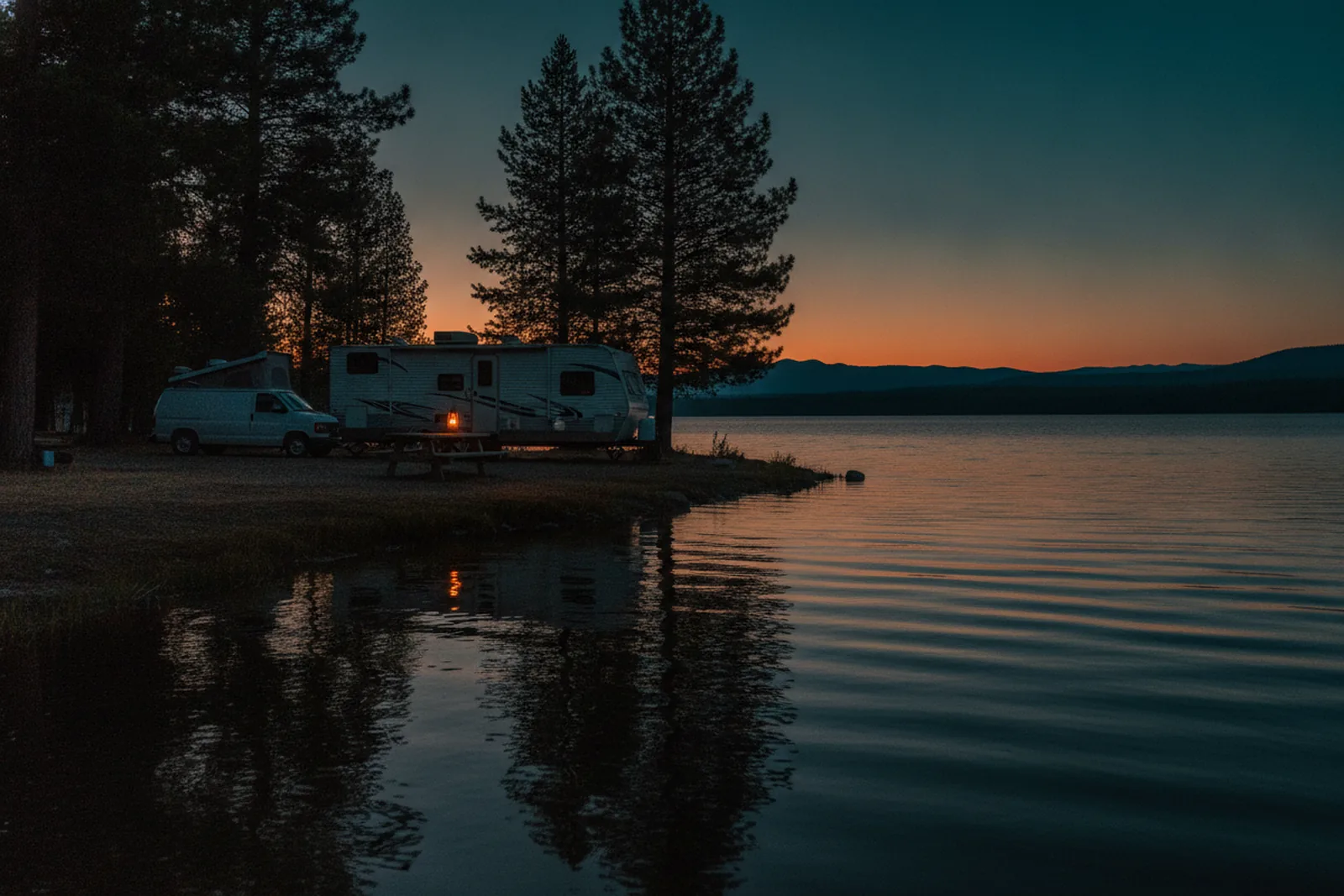
When a fleet needs a rig moved from one depot to another, they sometimes rent it for about $1 a day plus fees. You get a fixed route, often three to five travel days, and a mileage cap. The catch is you go where they need it, on their timeline, often with a month’s notice.
I’ve never taken one because my school schedule won’t bend, but my brother-in-law drove a Class C from Phoenix to Denver for $212 total including the overnight campground. Our post on one way RV rental explains drop fees and how to spot these deals.
7. Rent from a private owner with a 2015 or older rig
A well-kept 2016 travel trailer can rent for half the price of a new fleet unit. Peer-to-peer platforms list private rigs of every shape. The risk is hidden neglect, so I read reviews, ask for service records, and pick owners who rent their own vacation rig, not someone running a five-trailer business.
I’ve rented older Class Cs from owners who replaced the fridge, resealed the roof, and threw in the kitchen kit free.
8. Buy the mileage package up front, but only if you’ll use it
Some fleets sell bundles like 100 miles for $32, which works out to $0.32 a mile, a small savings if you know you’ll drive exactly 100 extra miles. Fleets often charge $0.35 to $0.50 a mile over the included allowance. Unlimited mileage packages run about $1,135 for a 21-night rental, which only pays off on a long, high-mileage trip.
I map our route in advance and round up the miles.
9. Pack your own kitchen and bedding
A kitchen and bedding kit from a big fleet runs about $100 total. Private owners often charge $75 to $100 for linens and another $50 for dishes. My family rents the bare rig and brings our own sleeping bags, pillows, a plastic bin of kitchen gear, and one pot.
The bin lives in my garage labeled “RV KIT” and costs nothing to refill.
10. Skip the generator, use the campground hookups
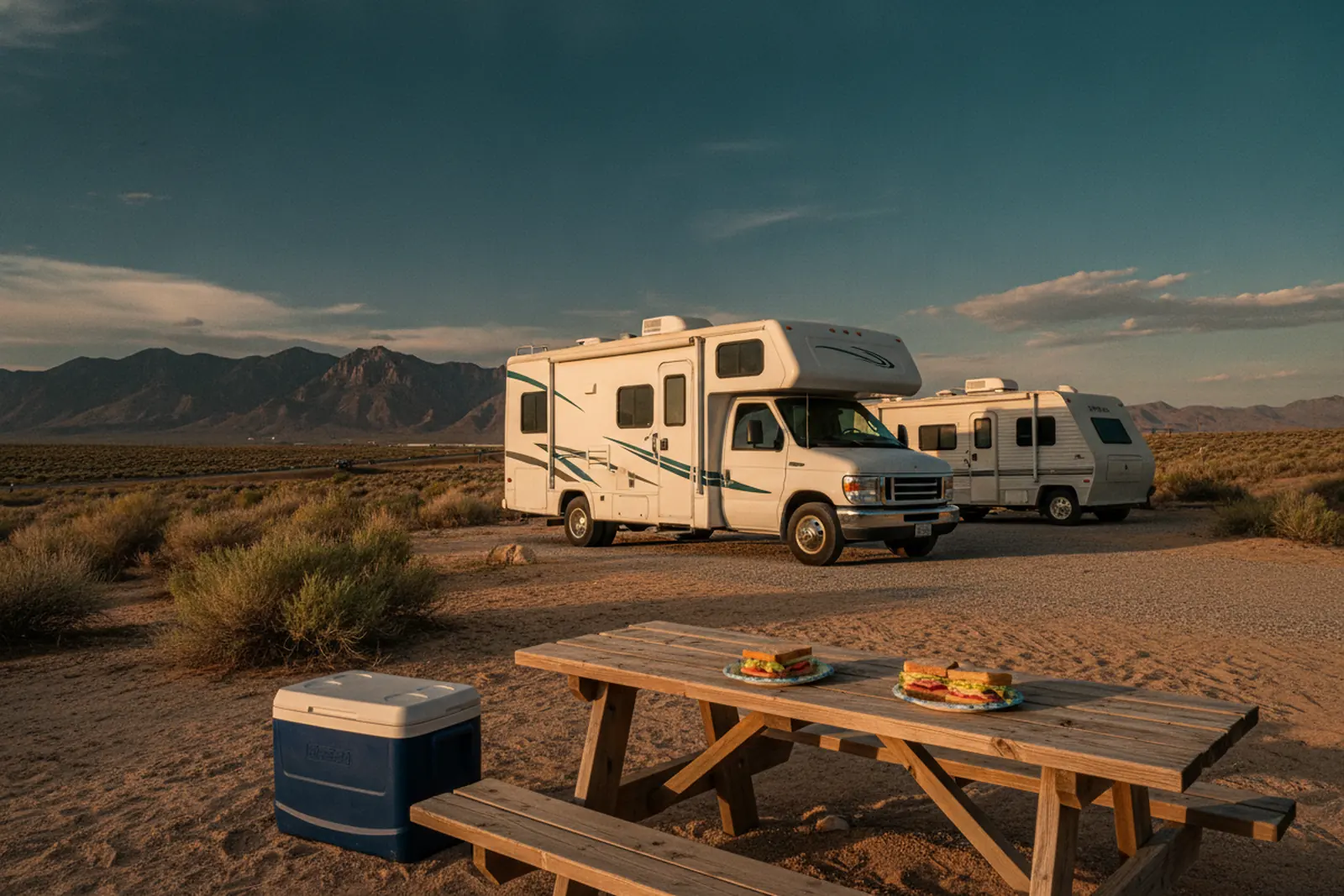
If you’re posting up at campgrounds with electric hookups, you dont need the generator. Generators burn fuel and cost about $3 to $5 an hour over the included allowance. Some fleets meter evry hour and bill you at return.
I rent a pop-up or travel trailer with no generator and book full-hookup sites. The only time I’d pay for generator hours is boondocking west on BLM land, and if the dog comes along I check our pet-friendly RV rental rules and fees first.
11. Ask for the military, teacher, or repeat-customer discount
One national fleet gave me 10 percent off as a public school teacher when I called and asked, not through the website. Big fleets and some private owners offer discounts they never advertise. Owners have taken $25 off a weekly rate for a repeat renter.
Ask after you have the written quote, not before.
The cheap RV rental listing that costs more
The cheapest listing is rarely the cheapest trip.
What I’d do differently: I’d have handed back that 2009 Class C after the walk-around and found a 2015 travel trailer instead. The lesson wasn’t the duct tape. It was that a cheap RV rental is a math problem, not a listing. Pull up a few rental companies near you this weekend and ask each one for a written quote on the same dates. Then look at the last line, not the first.
Next stop on the map
FAQ
What is the cheapest month to rent an RV?
November through March tends to be cheapest, with rates up to 25 percent lower than peak summer. April-May and September-October shoulder seasons save 10 to 20 percent. I rent in late September or early October when kids are back in school and campgrounds are quiet. Check your local fleet's seasonal rates before booking.
How can I rent an RV for $50 a night?
A private owner's older pop-up or travel trailer can rent for $50 to $90 a night before fees. Add delivery of about $150 to $300 each way if you can't tow it, and the total might still beat a motorhome. Skipping generator use and bringing your own kitchen kit keeps the nightly cost at the listed rate.
Is it cheaper to rent an RV from a private owner?
Often yes, because private owners set their own nightly rates and many list older rigs at half the cost of a new fleet unit. The risk is inconsistent maintenance and hidden fees. I check reviews, ask about tire and roof age, and compare the written total to a fleet's quote before paying anything.
Do I need insurance to rent an RV?
Your personal auto policy usually won't cover a rented RV, and credit card coverage almost always excludes it. Buy the protection from the rental company or platform. Fleet plans start around $15 a day. I never skip it. One accident without coverage woudl cost more than every rental I've ever done.
What hidden fees should I watch for when renting an RV?
Mileage overage, generator hours, kitchen and bedding kits, cleaning, dump fees, delivery, and security deposits can add hundreds. Get a written quote with every fee listed, and ask what 'clean' means at return. I've paid a $75 dump fee once because I forgot to empty the black tank. Never again.
Can I rent an RV and have it delivered to a campground?
Yes, many owners deliver travel trailers and fifth wheels to your campsite and set them up for $150 to $300 each way plus per-mile fees, this is how I rent when I'm not moving around. It avoids fuel, towing, and parking hassles, and it often makes a delivered trailer cheaper then a drivable motorhome.
Find RV rentals near you
Compare RV rental companies in your city, then ask a few for a quote on your dates.
Browse by stateOr jump to: Los Angeles, CA · Portland, OR · Austin, TX